
Study in New Zealand
Why Study in New Zealand?
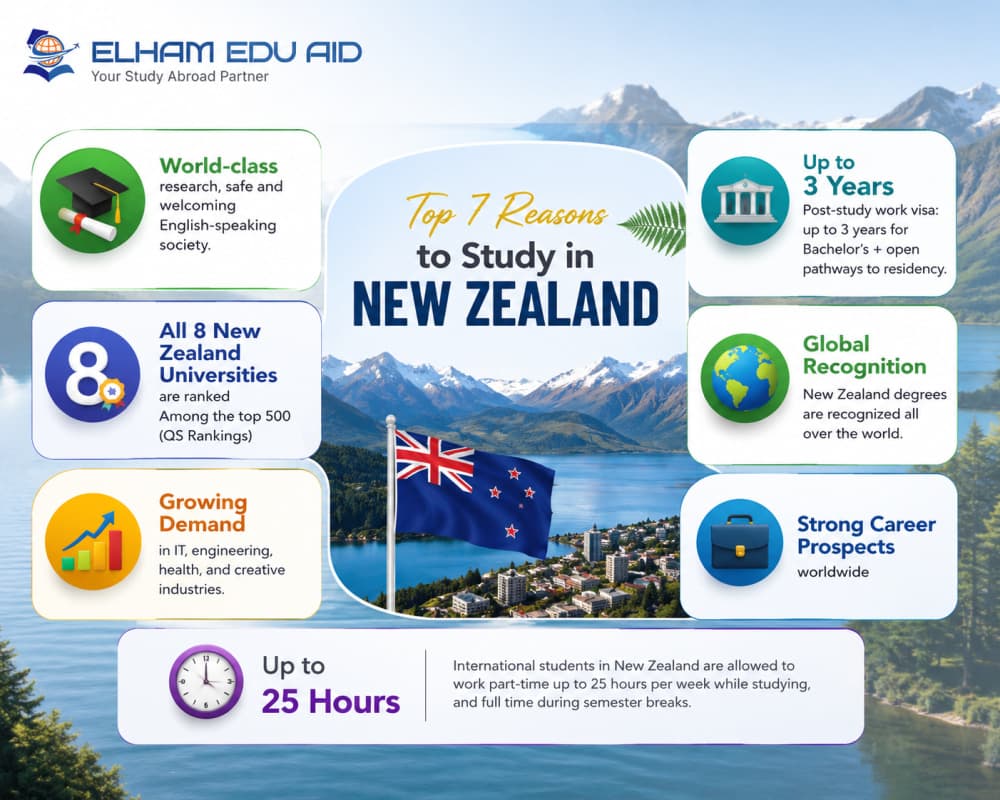
New Zealand has established itself as one of the world's leading destinations for international education, combining academic excellence with a high quality of life. Known for its globally respected universities, breathtaking landscapes, and excellent post-study work opportunities, the country continues to attract students from around the world. Between January and August 2024, international student enrolments reached 73,535, with university enrolments increasing by 14%, reflecting New Zealand's growing appeal as a preferred study destination. For Bangladeshi students, New Zealand offers internationally recognized qualifications, a welcoming multicultural society, and a safe environment in which to live and learn. Students benefit from an education system that emphasizes critical thinking, practical learning, and innovation while preparing graduates for successful global careers. New Zealand is home to eight internationally recognized universities, all of which are ranked among the top 500 universities worldwide. These institutions are known for their high academic standards, research excellence, and industry-focused teaching methods. With English as the primary language of instruction and a strong commitment to delivering quality education, New Zealand provides an ideal environment for students seeking both academic achievement and personal development. Choosing New Zealand means gaining more than just a degree—it offers the opportunity to develop valuable skills, experience a diverse culture, and build a strong foundation for a successful international career.
World-Class Education
New Zealand's universities consistently rank among the world's best and offer qualifications that are recognized internationally. The education system focuses on practical learning, research, innovation, and critical thinking, preparing students for successful global careers.
Safe and Peaceful Environment
New Zealand is known as one of the safest countries in the world. Its welcoming communities, low crime rate, and multicultural society make it an ideal destination for international students to live and study comfortably.
Affordable Tuition and Living Costs
Compared with many other popular study destinations such as the USA and the UK, New Zealand offers competitive tuition fees and a reasonable cost of living while maintaining a high standard of education.
Work While Studying
International students can generally work up to 20 hours per week during their studies and full-time during scheduled holidays (subject to visa conditions). This helps students gain valuable work experience and support their living expenses.
Post-Study Work Opportunities
Graduates may be eligible for post-study work rights, allowing them to gain professional experience in New Zealand after completing their qualification. This can be a valuable pathway toward long-term career development.
High Quality of Life
New Zealand offers breathtaking natural scenery, modern cities, clean air, and an excellent work-life balance. Students enjoy a healthy lifestyle while studying in one of the world's most beautiful countries.
Research and Innovation
Universities in New Zealand emphasize hands-on learning, research, and industry collaboration. Students benefit from modern facilities, experienced academics, and opportunities to develop practical skills.
Multicultural Community
Students from over 180 countries choose New Zealand every year, creating a diverse and inclusive learning environment where international students feel welcomed and supported.
Globally Valued Degrees
A qualification from New Zealand is respected by employers and universities around the world, opening doors to international career opportunities and further education.
Excellent Student Support
Universities provide comprehensive support services, including academic guidance, career counseling, mental health support, accommodation assistance, and orientation programs to help international students settle in successfully.
Cost of Living in New Zealand
Cost of Studying in New Zealand
Tuition Fees 2026-2027
Undergraduate Programs
University Type | Annual Tuition (NZD) | BDT Equivalent | USD Equivalent |
|---|---|---|---|
Public Universities | 22,000 - 35,000 | 13,20,000 - 21,00,000 | $13,400 - $21,300 |
Private Universities | 18,000 - 25,000 | 10,80,000 - 15,00,000 | $11,000 - $15,200 |
Specialized Programs | 25,000 - 45,000 | 15,00,000 - 27,00,000 | $15,200 - $27,400 |
Postgraduate Programs
Program Type | Annual Tuition (NZD) | BDT Equivalent | USD Equivalent |
|---|---|---|---|
Master's Programs | 26,000 - 37,000 | 15,60,000 - 22,20,000 | $15,800 - $22,500 |
MBA Programs | 35,000 - 55,000 | 21,00,000 - 33,00,000 | $21,300 - $33,500 |
PhD Programs | 6,500 - 9,000 | 3,90,000 - 5,40,000 | $4,000 - $5,500 |
Living Expenses 2025
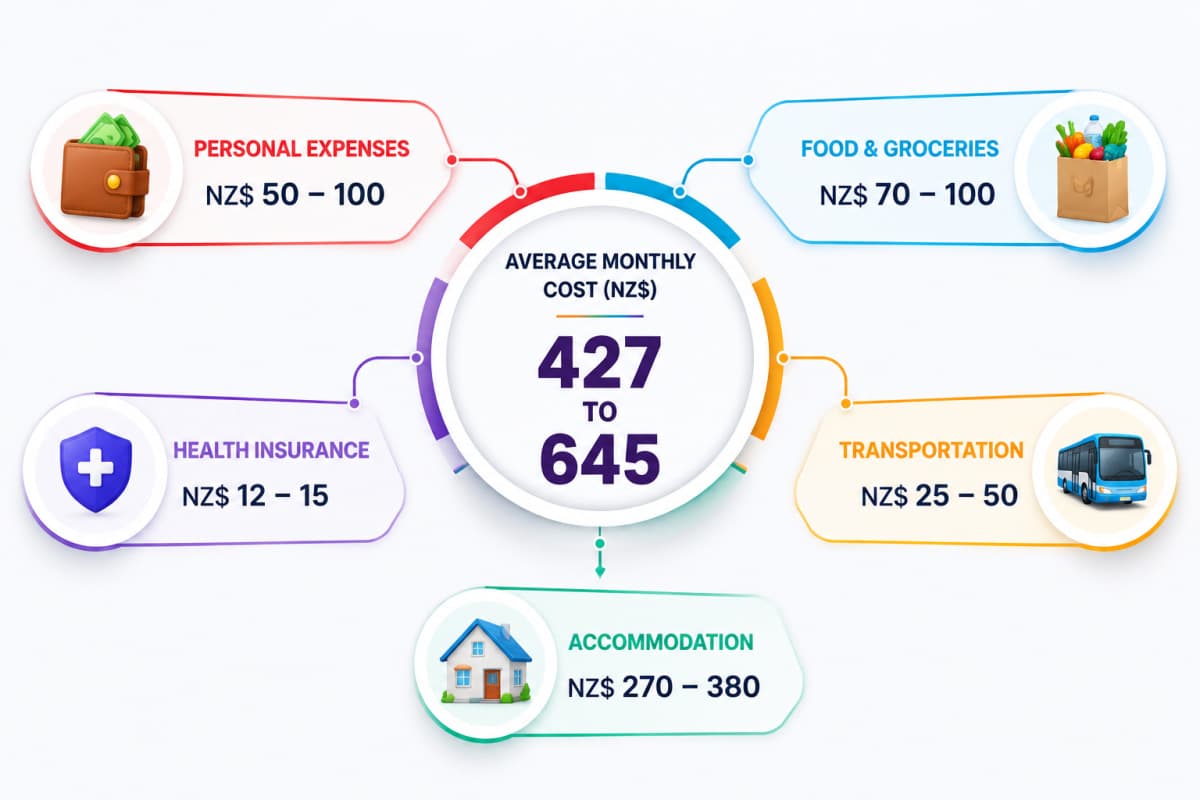
Average living costs for international students:
Total Annual Costs
Bangladeshi students can expect total annual expenses ranging from
NZD 45,000 to NZD 70,000, making New Zealand competitive with other top study destinations
while offering a superior quality of life.
Part-Time Work Benefits (Enhanced 2025)
From November 2025, international students in New Zealand can work
up to 25 hours per week during academic sessions.
With an average hourly wage of NZD 40.96,
this offers students a substantial source of financial support while pursuing their studies.
Admission Requirements
Requirements to Study in New Zealand
Academic Requirements
Undergraduate Programs
Completed 12 years of education (HSC or equivalent)
Minimum grades: Generally 70% or above in HSC
Subject prerequisites: Varies by program (e.g., mathematics for engineering, sciences for health)
Age requirement: 17+ years for undergraduate admission
Graduate Programs
Bachelor’s degree from recognized institution
Good academic standing: Generally B-grade average or equivalent
Relevant background: Prior study in related field preferred
Research proposal: Required for PhD programs
English Language Requirements
General Requirements
IELTS: 6.0–7.0 overall (varies by program and university)
TOEFL: 80–100 (internet-based test)
PTE Academic: 50–65 overall
Cambridge English: Various levels accepted
Program-Specific Requirements
Higher Requirements: Medicine, law, and teacher training programs
Alternative Assessments: Some universities accept internal testing
Medium of Instruction: Certificates may be acceptable in certain cases
Required Documents
Academic transcripts and certificates (all levels)
English proficiency test scores
Statement of Purpose / Personal Statement
Letters of Recommendation (2–3)
CV / Resume
Valid passport (minimum 6 months validity)
Health and medical certificates
Financial proof documents
Character certificates / Police clearance
Intakes to Study in New Zealand
Primary Intake Periods 2026-2027
February Intake (Semester 1) – Main Intake
Start Date: February 2027
Application Deadline: End of November 2026
Advantages: Widest range of courses available, aligns with main academic calendar
Best For: Fresh graduates and students planning ahead
July Intake (Semester 2)
Start Date: July 2026/2027
Application Deadline: End of April 2026/2027
Advantages: Good program selection with shorter wait time
Best For: Students who missed February deadlines
Expanded Intake Options
Many institutions now offer additional intakes in September or November
Especially available for:
Postgraduate and diploma programs
Specialized courses and certificates
Vocational and technical programs
Application Timeline Recommendations – February 2027 Intake
April–May 2026: Research universities and programs
June–July 2026: Take English proficiency tests (IELTS, TOEFL, PTE)
August–September 2026: Submit applications and documents
October–November 2026: Accept admission offers and confirm enrollment
November–December 2065: Apply for scholarships and student visa
December 2026–January 2027: Final preparations and travel arrangements
Visa Processing Peak Period
Immigration New Zealand experiences peak processing periods between May–August annually. Students aiming for July or August start dates should apply for visas at least three months in advance to avoid delays.
Student Visa Requirements 2025
Streamlined Application Process
New Zealand has implemented improved visa processing systems to support international student growth.
Basic Requirements
University acceptance letter from approved institution
Financial proof: Ability to support living costs (approximately NZD 20,000 annually)
Health insurance: Comprehensive coverage required
Character requirements: Police clearance certificates
Health requirements: Medical examinations as required
Processing Times 2025
Standard processing: 4-6 weeks
Peak periods: May take longer (May-August)
Recommendation: Apply at least 3 months before study start date
Enhanced Work Rights
Current: 20 hours per week during studies
From November 2025: 25 hours per week – increased flexibility
Holiday periods: Full-time work allowed during scheduled breaks
Application Process and Timeline
Step-by-Step Application Guide
1. Research and Selection (12–18 months before)
Compare universities and programs
Research scholarship opportunities
Understand entry requirements
Consider PFEC Bangladesh partner institutions
2. English Proficiency Testing (8–12 months before)
Take IELTS, TOEFL, or PTE Academic
Achieve required scores for chosen programs
Consider retaking if scores need improvement
3. Application Preparation (6–8 months before)
Gather academic documents
Write personal statements
Secure recommendation letters
Prepare portfolios (for creative programs)
4. Application Submission (4–6 months before)
Submit online applications
Pay application fees
Upload supporting documents
Track application status
5. Admission and Enrollment (2–4 months before)
Receive admission decisions
Accept offers and pay deposits
Apply for scholarships
Confirm enrollment
6. Visa Application (2–3 months before)
Prepare visa documentation
Submit student visa application
Attend medical examinations if required
Receive visa approval
7. Pre-Departure Preparation (1–2 months before)
Arrange accommodation
Purchase health insurance
Book flights
Attend pre-departure orientations
Post-Study Work Opportunities
Post-Study Work Opportunities in New Zealand
Post-Study Work Visa 2025–2026
New Zealand offers one of the world’s most generous and flexible post-study work visa programs, allowing international graduates to stay, gain professional experience, and potentially transition to permanent residency.
Visa Duration by Qualification Level
Bachelor’s, Postgraduate Diploma, Master’s, PhD: 3-year open work visa
Level 7 Qualifications: Typically up to 3 years with flexible employment options
Level 4–6 Qualifications: 1–2 years, may be linked to study-related employment
Enhanced Eligibility (2025 Updates)
Minimum Study Duration: 30 weeks of full-time study required for Level 7+ qualifications
International Degree Recognition: Streamlined recognition process for overseas degrees
Financial Requirement: Students must show available funds of NZD 5,000 at the time of application
Top Universities in New Zealand
Explore world-class institutions offering diverse programs and excellent opportunities
Explore New Zealand
Discover universities, cities, and beautiful places




Frequently Asked Questions
Common questions about studying in New Zealand